
Inspiration
Editing As The Hidden Screenplay
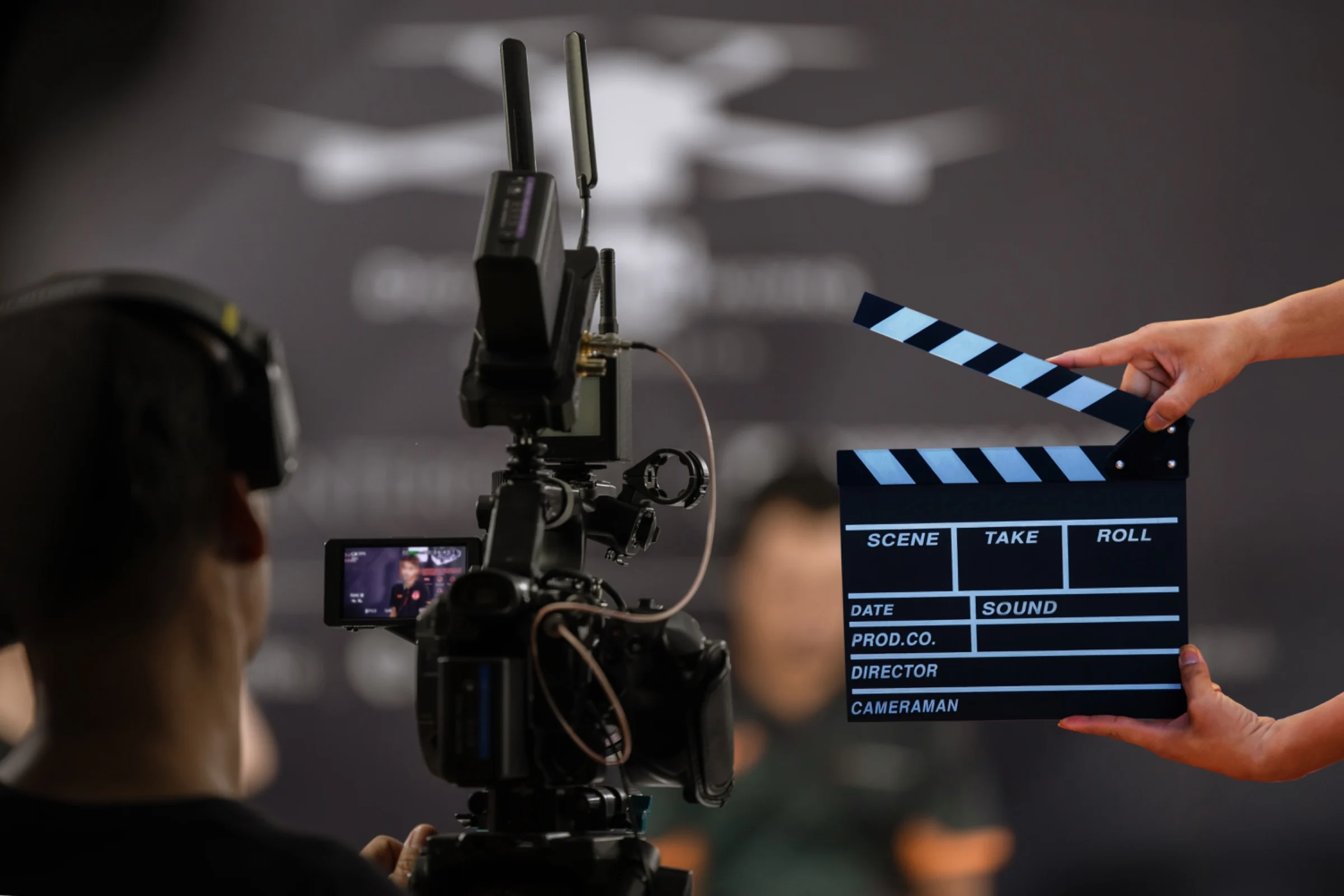
Editing is often described as the final stage of filmmaking, but in reality it functions as something much more fundamental. It is the stage where the true structure of the film is revealed, and in many cases, rewritten. While the screenplay defines intention, editing defines experience. It is in the edit where rhythm, meaning, and emotional logic are ultimately constructed. For filmmakers, editing is not simply about assembling scenes. It is about discovering what the film actually is once all elements are in motion.
Structure Rewritten in Post Production
A screenplay provides a blueprint, but it rarely survives production unchanged. Once footage exists, the editor begins to reshape the narrative based on performance, pacing, and visual continuity. Scenes that were originally central may become secondary, while minor moments can gain unexpected importance. In this sense, editing functions as a second writing process.

Rhythm as Narrative Meaning
In editing, rhythm becomes a form of storytelling. The duration of shots, the timing of cuts, and the spacing between scenes all contribute to how the story is understood emotionally. A shift in rhythm can change the meaning of a scene without altering its content. This makes editing one of the most powerful narrative tools in cinema.
Performance Redefined
Editing also determines how performances are perceived. The selection of takes, the timing of reactions, and the decision to linger or cut away all shape character perception. An actor's performance is never fully defined on set. It is completed in the edit.

The Disappearance of Written Structure
As editing progresses, the original screenplay often becomes less visible. Its structure dissolves into a new form shaped by material reality rather than written intention. This is why editing is often described as the point where the film finds its true form.
Meaning Created Through Juxtaposition
Editing creates meaning through placement. Two unrelated shots placed next to each other can generate a new idea that did not exist in either individually. This principle makes editing not just interpretive, but generative.
Time as Manipulable Material
Unlike real life, cinematic time is entirely flexible. Editing allows time to expand, contract, or collapse depending on emotional need. This manipulation of time is one of the defining characteristics of film language, and it is entirely constructed in post production.

The Invisible Writer
Because editing operates after the screenplay, it often remains invisible as a form of authorship. Yet in many cases, the editor reshapes the narrative more significantly than the original script. This is why editing can be understood as a hidden screenplay, one that redefines the story at a structural level.
The Film That Was Not Written
Editing reveals that a film is never fully defined by its screenplay. It is completed in post production, where structure, rhythm, and meaning are reassembled into their final form. What emerges is not only what was written, but what was discovered through the process of shaping time, performance, and image into a single narrative experience.
Ready to put your work in front of our jury?
Enter your film or screenplay and compete in the categories you choose.